Low Level Light Therapy
- Home
- Low Level Light Therapy
Low Level Light Therapy
Every Color. Every Layer. Every Goal.
Low-Level Light Therapy is one of the most versatile and scientifically backed wellness technologies available today. Different wavelengths of light target different layers of your skin and tissue — each one triggering a unique biological response that supports healing, recovery, and rejuvenation.
No UV. No heat damage. No downtime. Just precise light wavelengths working at the cellular level to help your body perform and recover at its best.
What Is Low-Level Light Therapy?
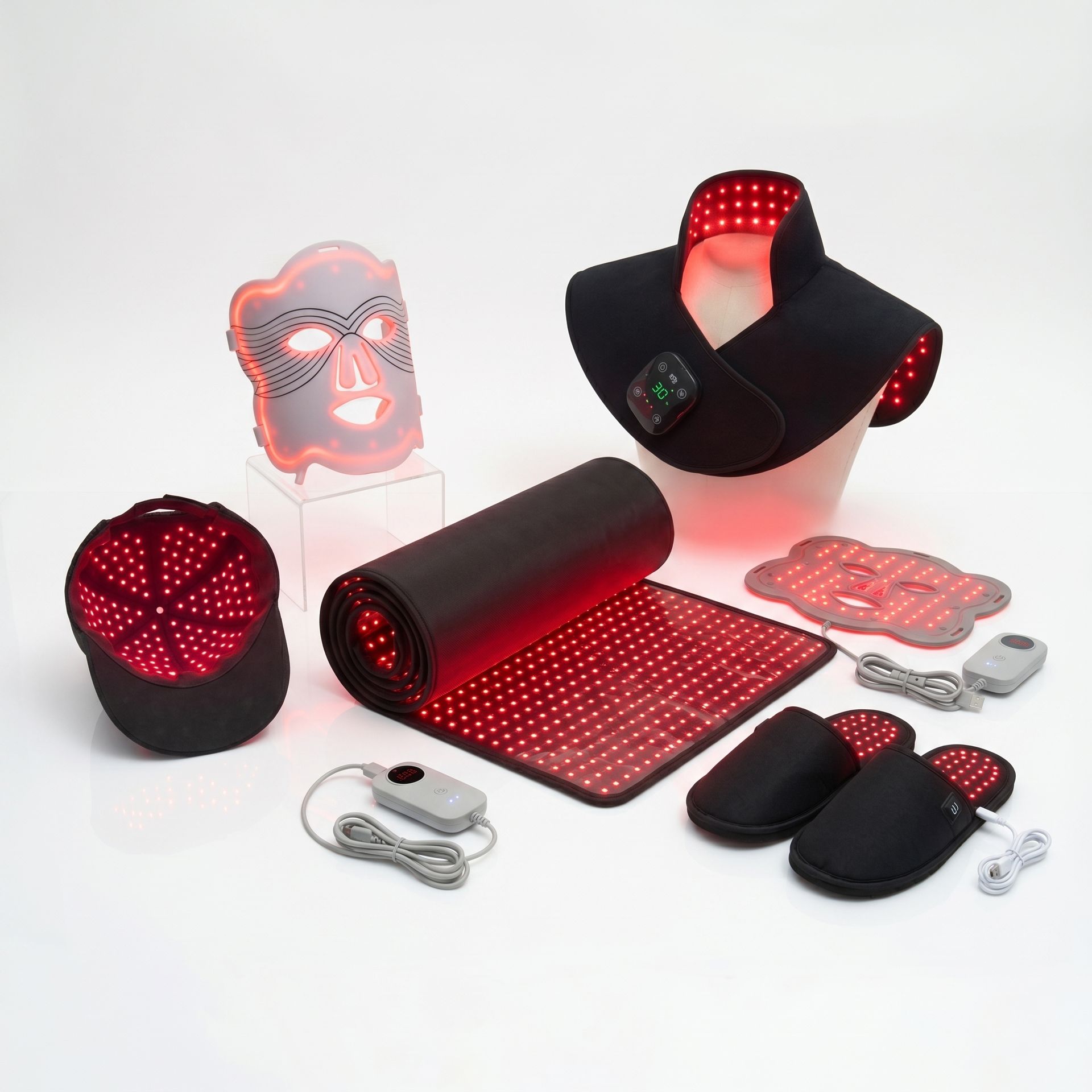
Low-Level Light Therapy uses specific wavelengths of visible and near-infrared light to penetrate your skin at different depths and stimulate targeted biological responses inside your cells.
Unlike red light therapy which focuses on two wavelengths, full-spectrum Low-Level Light Therapy expands that range — covering everything from deep tissue repair to surface-level skin treatment, acne control, inflammation reduction, and mood support.
Each color of light has a unique wavelength and a unique job inside your body. Together they create a comprehensive approach to skin health, recovery, and cellular wellness.
The History Behind the Science
Low-Level Light Therapy didn’t appear overnight — it’s the result of over a century of scientific discovery.
1903 — The First Breakthrough Danish physician Niels Finsen pioneered medical light therapy in Copenhagen, using concentrated artificial light to treat skin tuberculosis. His work earned him the Nobel Prize in Medicine in 1903 — establishing that specific wavelengths of light could trigger genuine biological healing.
1960s — Low Level Light Discovery Hungarian researcher Endre Mester observed in Budapest that low-power laser light caused faster hair regrowth and wound healing in animals compared to untreated controls. This was the first documented evidence of what we now call photobiomodulation — light changing cell function without damaging tissue.
1990s — NASA Changes Everything NASA researchers deploying red LED arrays to grow plants in space noticed something unexpected — small cuts and abrasions on their hands healed faster when working near these lights. Formal studies confirmed that specific wavelengths accelerated wound healing, improved cell proliferation, and promoted tissue repair. This launched the modern era of Low Level Light Therapy devices.
Today Low Level Light Therapy is now used in dermatology clinics, sports medicine, rehabilitation centers, and by everyday people at home — supported by thousands of peer-reviewed studies and FDA clearances worldwide.
How Does It Work Biologically?
When Low-Level Light Therapy reaches your skin, photons are absorbed by structures inside your cells called mitochondria — specifically by an enzyme called cytochrome c oxidase. This triggers a powerful chain reaction:
- ⚡ More ATP produced — your cells get more energy to repair, regenerate and function optimally
- 🧬 Fibroblast activation — collagen and elastin production increases, supporting firmer skin and faster tissue repair
- 🩸 Improved circulation — blood flow and oxygen delivery to tissues improves
- 🔥 Inflammation modulated — inflammatory signals are regulated for more efficient healing
- 🔬 Cellular signaling enhanced — growth factors and repair pathways are activated throughout the tissue
This is why Low Level Light Therapy is called photobiomodulation — light modifies biological function without heating or damaging tissue, unlike ablative lasers.
The Science of Wavelengths
The real power of full-spectrum Low-Level Light Therapy is the ability to match the wavelength to the specific problem — rather than relying on a single light for all conditions. Different wavelengths penetrate your skin at different depths and trigger completely different biological responses.
🔴 Red Light — 630 to 660nm Penetrates the dermis and stimulates fibroblasts to produce collagen and elastin. Improves circulation and reduces inflammatory mediators. The most studied wavelength for anti-aging, wound healing, and post-procedure recovery.
🟤 Near-Infrared Light — 850nm The deepest penetrating wavelength — reaches subcutaneous tissues, muscles, joints, and connective tissue beneath the skin. Supports deeper tissue repair, pain relief, inflammation reduction, and firming effects beyond the superficial dermis.
🔵 Blue Light — 465nm Primarily superficial — concentrated in the epidermis where acne bacteria and sebaceous glands are located. Initiates a photochemical reaction that destroys Cutibacterium acnes bacteria, reduces oil production, and calms surface inflammation. Ideal for active acne and breakout-prone skin without affecting deeper tissues.
🟢 Green Light — 530nm Primarily targets melanocytes to reduce excessive melanin production — evening out skin tone, fading sun spots, age spots, and mild post-inflammatory hyperpigmentation. Also has a soothing anti-inflammatory effect that calms overall redness — beneficial for rosacea-prone skin.
🟡 Yellow Light — 570nm Sits between green and red in depth — penetrating to the upper dermis while remaining gentle enough for sensitive skin. Encourages lymphatic drainage and circulation, reduces swelling and puffiness, calms redness, and brightens overall skin health. Excellent for post-treatment calming and edema management.
🟣 Purple Light — 400 to 420nm A blend of red and blue wavelengths — delivers both acne treatment and anti-aging benefits simultaneously. Antibacterial blue combined with collagen-stimulating red in a single application.
🔷 Indigo Light — 420 to 450nm Sits between blue and purple on the spectrum. Supports deeper skin purification, pore refinement, and bacterial reduction — effective for congested or acne-prone skin that needs deeper penetration than blue light alone.
🩵 Cyan Light Soothes inflamed and irritated skin, reduces sensitivity, and supports skin barrier function. Calming and balancing for reactive skin.
⬜ White Light A combination of multiple wavelengths working simultaneously — penetrates all skin layers at once, accelerating overall tissue metabolism and supporting comprehensive skin health and rejuvenation.
Why Multiple Colors Matter
The advantage of having multiple colors in Low-Level Light Therapy isn’t just variety — it’s precision. Each wavelength is a different biological tool:
- 🔵 Blue — targets bacteria and oil at the surface
- 🟢 Green & Yellow — targets pigment, redness, and uneven tone
- 🔴 Red — targets collagen, structure, and dermal repair
- 🟤 Near-Infrared — targets deep tissue, joints, and pain
Rather than one light trying to do everything, multi-wavelength Low Level Light Therapy lets you match the right tool to the right problem — or combine them for comprehensive full-skin treatment.
What Can Low Level Light Therapy Help With?
- ✨ Skin Rejuvenation & Anti-Aging Stimulates collagen and elastin production for firmer, smoother, younger-looking skin. Reduces fine lines, wrinkles, and loss of elasticity.
- 🎯 Acne & Breakout Control Blue and indigo light target acne-causing bacteria at the skin’s surface while reducing oil production — without harsh chemicals or medication.
- 🌿 Skin Tone & Hyperpigmentation Green and yellow wavelengths target dark spots, uneven tone, and redness for a more balanced, even complexion.
- 🔥 Inflammation & Redness Reduction Multiple wavelengths work together to calm inflammatory responses in the skin, reducing redness, sensitivity, and irritation.
- 💪 Deep Tissue Recovery Near-infrared light reaches beyond the skin into muscles and joints, supporting recovery, circulation, and pain relief at a deeper level.
- 😴 Relaxation & Wellness Certain wavelengths support the body’s natural relaxation response, making Low Level Light Therapy a powerful addition to any evening wellness routine.
Is Low Level Light Therapy Safe?
Yes — Low-Level Light Therapy is non-invasive, painless, and FDA-cleared.
- Zero UV radiation
- No heat damage to skin
- Suitable for all skin types
- No downtime required
- Safe for regular home use
Most people experience a gentle warmth or nothing at all during sessions. Sessions typically run between 10 to 20 minutes depending on your goals and the wavelengths used.
Note: If you have a photosensitivity condition, are on medication that causes light sensitivity, or have active skin conditions, consult your doctor before starting Low Level Light Therapy.
How Long Until You See Results?
- Week 1 to 2 — Skin feels more hydrated, redness and irritation begin to calm, improved circulation
- Week 3 to 4 — Visible improvement in skin tone, reduction in breakouts, skin texture smoothing
- Week 6 to 12 — Significant collagen improvement, reduced fine lines, more even complexion and lasting clarity
Most protocols recommend 3 to 5 sessions per week for best results. Consistency is everything with Low-Level Light Therapy.
Which Wavelength Is Right for You?
| My Goal | Best Wavelength |
|---|---|
| Anti-aging & collagen | Red 660nm |
| Deep tissue & joint recovery | Near-Infrared 850nm |
| Acne & breakouts | Blue 465nm |
| Deeper skin purification | Indigo 420 to 450nm |
| Uneven skin tone & dark spots | Green 530nm |
| Redness, swelling & sensitivity | Yellow & Cyan |
| Acne + anti-aging combined | Purple |
| Full skin rejuvenation | White or Multi-mode |
Frequently Asked Questions
Can I use multiple wavelengths in one session?
Yes — our devices offer multi-mode settings that combine wavelengths in a single session for comprehensive treatment.
How long are sessions?
Typically 10 to 20 minutes. Each device comes with recommended session guidelines.
Can I use Low Level Light Therapy every day?
Yes. Most devices are designed for daily use. Follow the recommended session times for each device.
Is this the same as red light therapy?
Red light therapy is a type of LED therapy focused specifically on 660nm and 850nm wavelengths. Full-spectrum LED therapy expands that to include blue, green, yellow, indigo, purple, cyan, and white wavelengths for a broader range of benefits.
Does it work for all skin types?
Yes — LED light therapy is safe and effective for all skin tones and types.
Where did LED light therapy originally come from?
It grew out of over a century of phototherapy research — from Nobel Prize winning work in 1903, to low-level laser studies in the 1960s, to NASA’s space experiments in the 1990s that first demonstrated LED light’s ability to accelerate wound healing and tissue repair.
Shop Our LED Light Therapy Devices
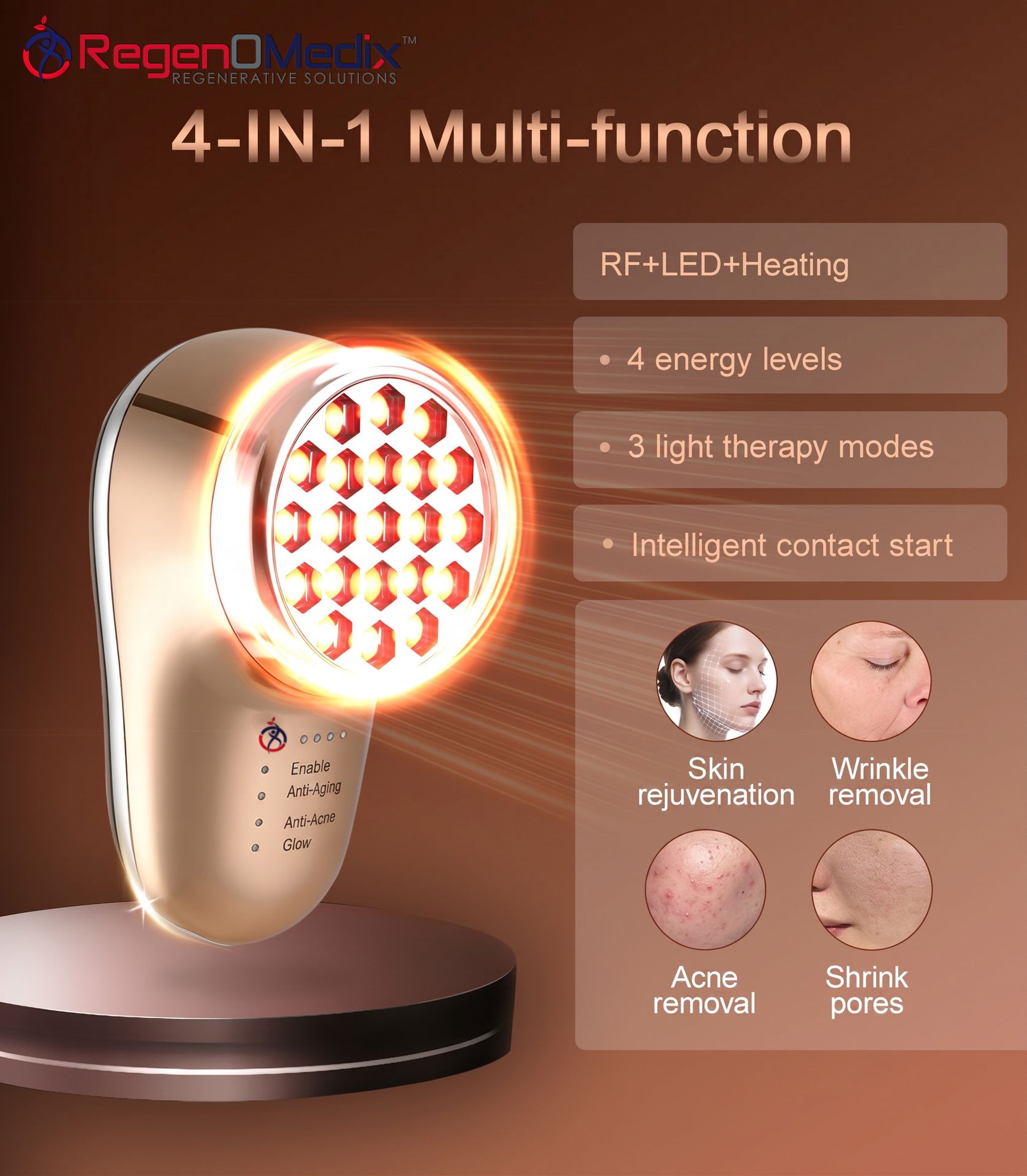
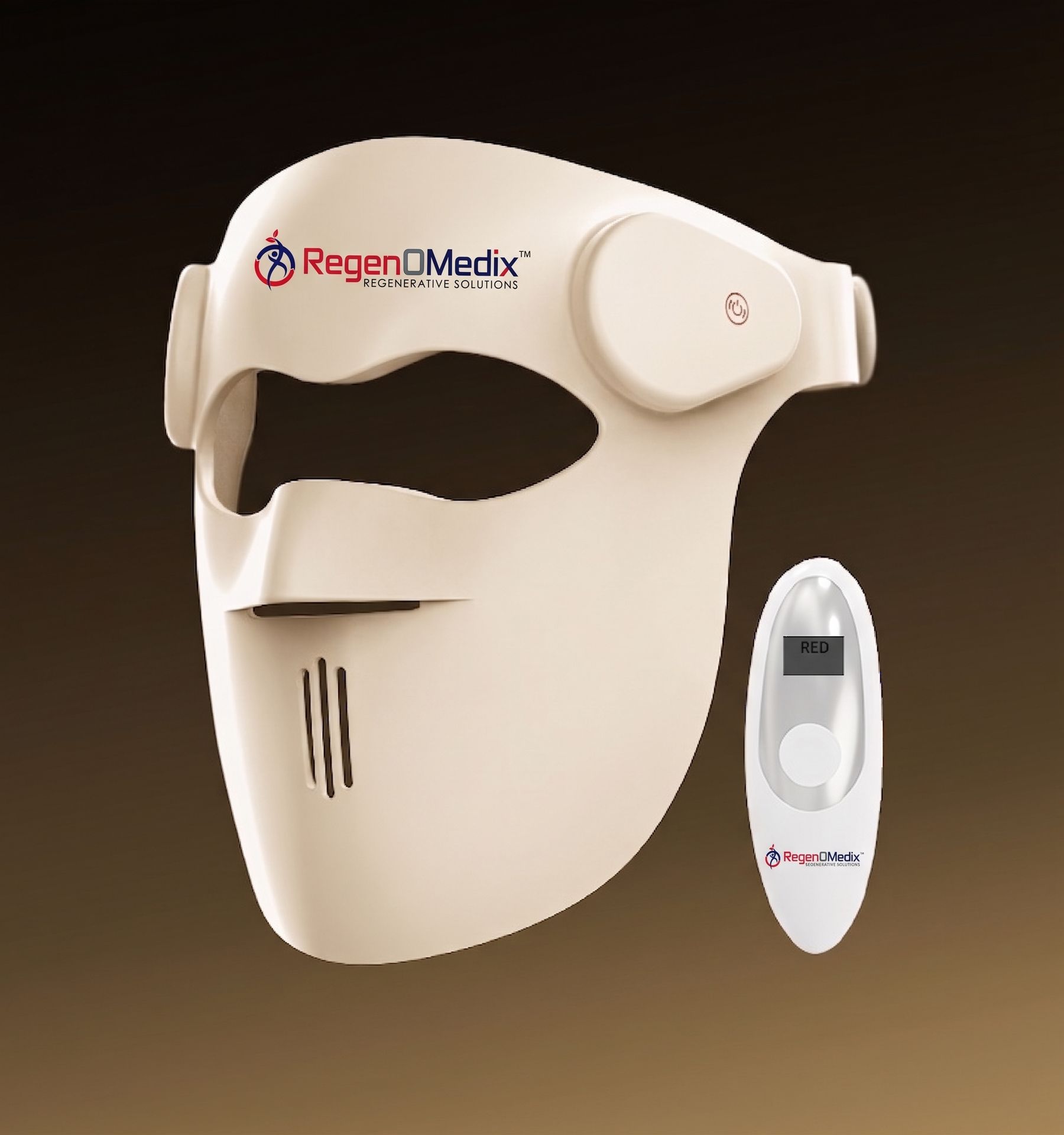
Ready to Transform Your Skin & Recovery?
Full-spectrum LED light therapy puts the power of professional clinic technology in your hands — at home, on your schedule, at a fraction of the cost.